2026.06.15
Thai Union Group PCL marks 10 years of leadership in responsible tuna sourcing with the publication of new 2025 Sustainability Report
Sustainability & CSR
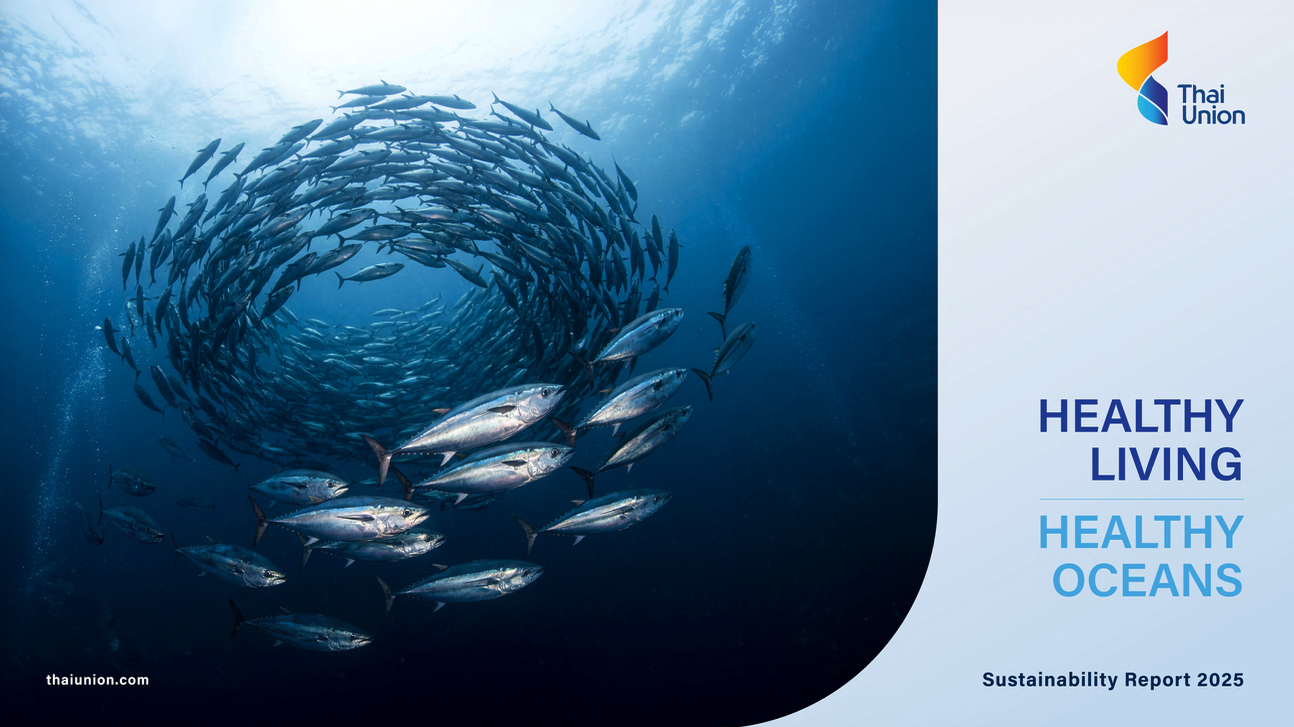
Thai Union Group PCL is marking 10 years of leadership in responsible tuna sourcing with the publication of its latest Sustainability Report, which outlines the company’s progress across one of the world’s most complex seafood supply chains.
Over the decade since Thai Union set its Global Tuna Sustainability Goals in 2015, the company now sources more than 99.9% of its tuna responsibly, has 95% on the water monitoring coverage and can trace 100% of its tuna back to the vessel of origin. The company has also greatly expanded welfare coverage, bringing much stronger visibility to the people and practices behind the catch.
.JPG)
Thiraphong Chansiri, President & CEO of Thai Union Group, said: “Seafood feeds billions of people, but that can only work if oceans are healthy and the supply chains behind them are responsible. Thai Union’s tuna journey over the past decade shows the value of setting clear goals, working with partners, and staying committed even when progress is difficult. We are proud of how far this work has come, and remain focused on continuing to build responsible supply chains that protect oceans, support people, and help tuna nourish future generations.”
The report, which can be downloaded here, places those achievements within SeaChange®, Thai Union’s global sustainability strategy, and details broader efforts on fisheries improvement, labor standards at sea, and long-term accountability across its tuna supply chain.
Key achievements across Thai Union’s wild-caught seafood work include:
- 99% of sourced tuna from fisheries that are Marine Stewardship Council certified, in MSC assessment, or engaged in Fishery Improvement Projects.
- 99% coverage of tuna supply chain volume through Thai Union’s Fisher Work & Welfare program, Vessel Code of Conduct audits, Vessel Improvement Plans, or equivalent programs.
- 100% traceability for sourced tuna, through both digital and paper records, allowing Thai Union to identify the vessel or group of vessels where the tuna originated.
- 95% on-the-water monitoring coverage across Thai Union’s tuna supply chain, helping provide independent visibility into fishing activity at sea.
- 100% compliance with International Seafood Sustainability Foundation conservation measures across Thai Union processing facilities, confirmed through independent third-party audits.
- 100% compliance with RFMO requirements, meaning none of the tuna sourced came from vessels on RFMO blacklists for illegal, unreported, and unregulated fishing.
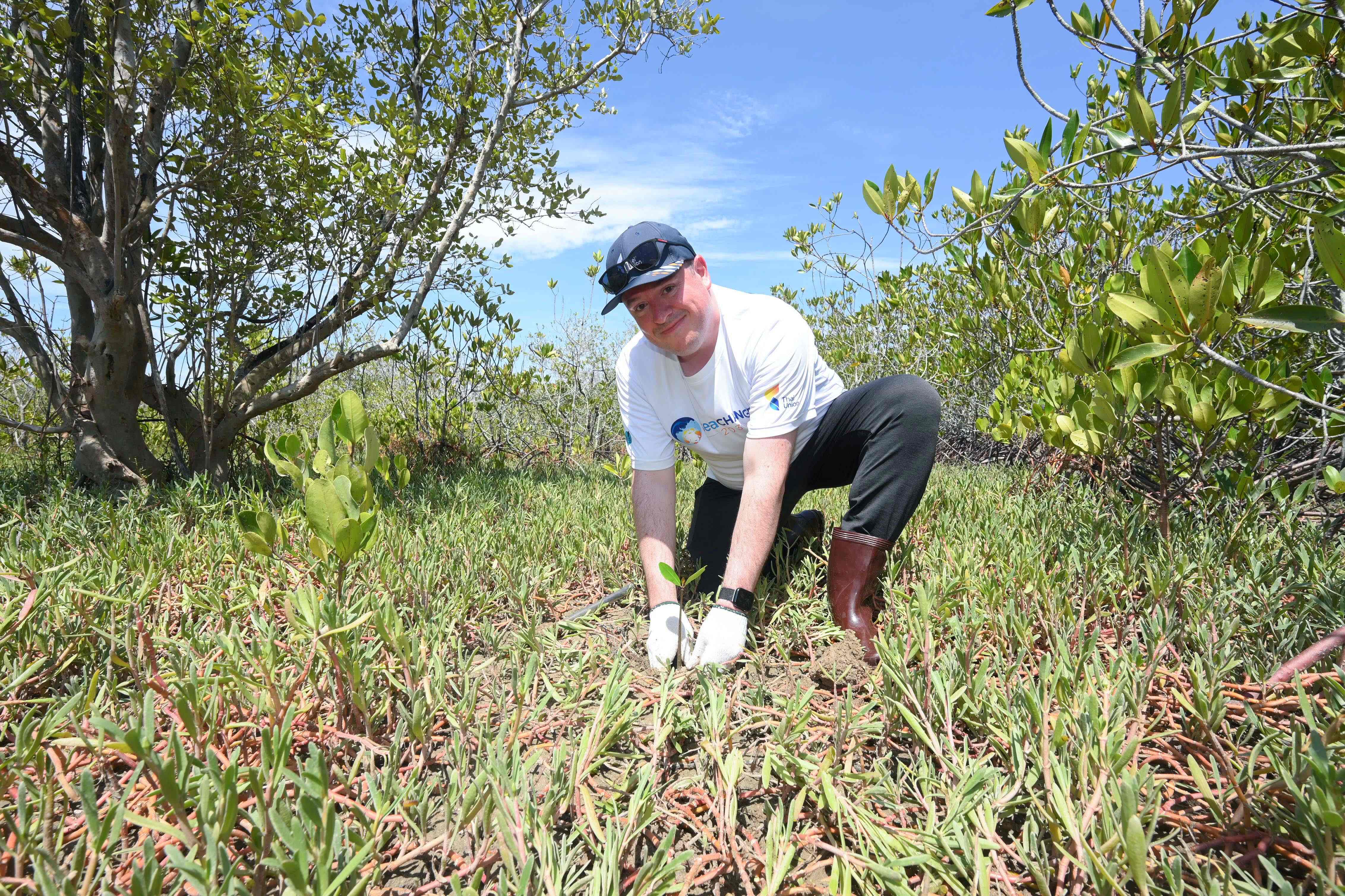
Adam Brennan, Chief Sustainability and Communications Officer at Thai Union, said: “Progress in tuna sustainability takes patience, persistence, and a lot of people working in the same direction. This is difficult work because every detail matters: how fisheries improve, how tuna is traced, who verifies the standards, and whether people at sea are treated fairly. Thai Union has made real progress in these areas, and we plan to continue pushing those standards forward.”
Beyond tuna progress, the report highlights how Thai Union uses partnerships to advance work across its wider sustainability agenda, from responsible shrimp sourcing and lower-carbon aquaculture to ghost gear recovery, sustainable finance, and ecosystem restoration. It also covers the company’s broader efforts to improve eco-friendly packaging, strengthen worker welfare, and support healthier communities across the value chain.
Thai Union continued to receive global recognition in 2025 for its work in sustainability, achieving a score of 89 out of 100 in S&P Global’s 2025 Corporate Sustainability Assessment, placing it at No. 1 globally in the Food Products industry under the Dow Jones Best-in-Class Indices, formerly the Dow Jones Sustainability Indices. Thai Union also achieved an A- rating in CPD’s 2025 climate disclosure, placing the company in the “Leadership” category representing best practice performance through ambitious strategies, verified progress, and sector-leading action.