2026.05.25
TFM Unveils 2026 Vision to Position Thailand as a Premium Shrimp Production Hub, Targeting THB 10 Billion in Revenue by 2030
Business & Finance
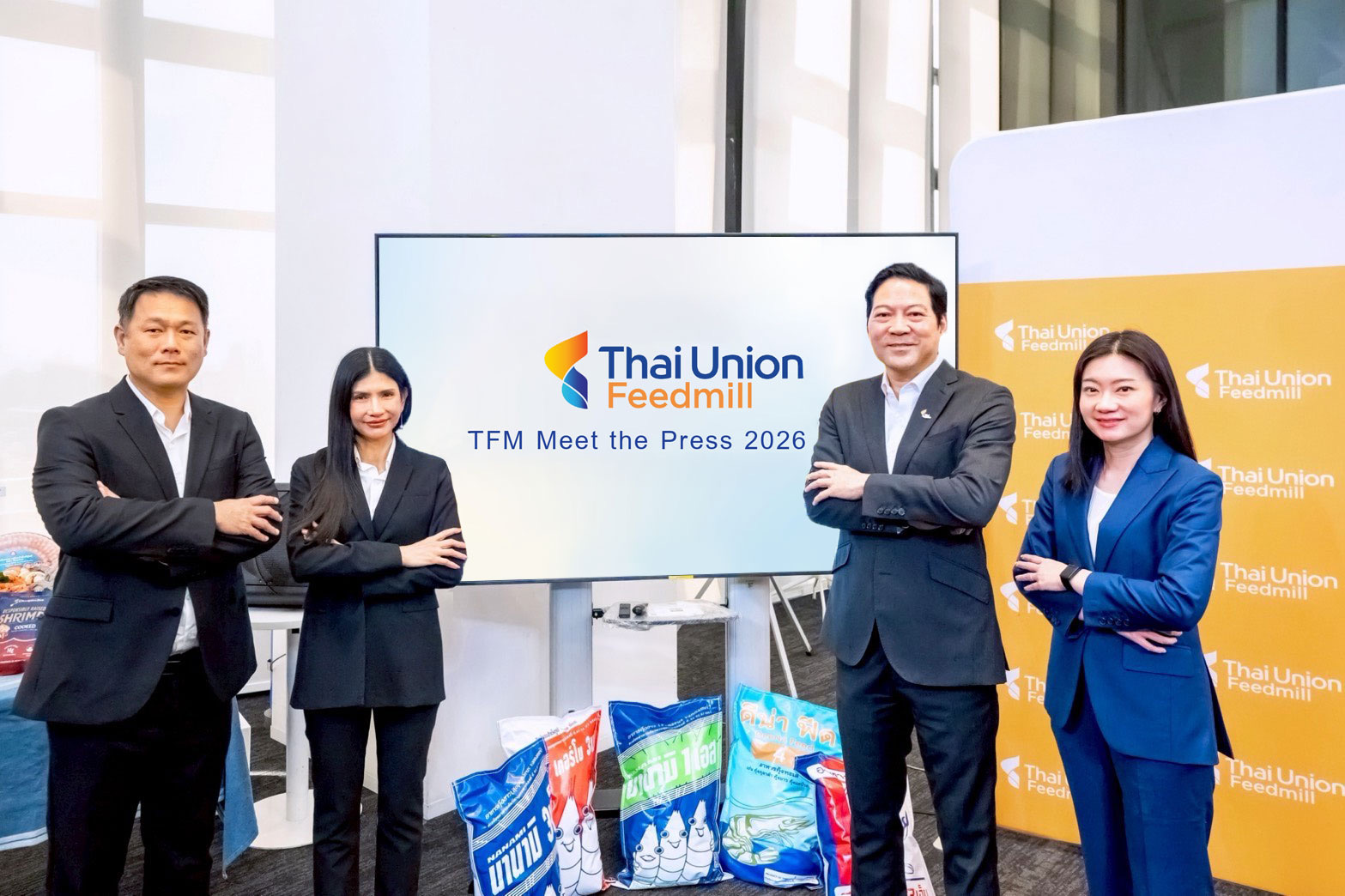
Thai Union Feedmill Public Company Limited (TFM) has unveiled its 2026 vision, “TFM Accelerates Growth: From Market Recovery to Global Expansion,” outlining its strategy to advance into the global aquafeed industry as the shrimp sector enters a new era of “Efficiency – Low Carbon – Premium Market”. The Company aims to position Thailand as a key value‑creation hub while targeting a Top 3 position in Indonesia’s aquafeed market. TFM is also expanding into Ecuador, a major global shrimp hub, to capture long‑term international growth opportunities. The Company targets THB 10 billion in revenue by 2030, reinforcing its leadership in Thailand’s shrimp‑feed market and its position as the first aquafeed manufacturer in Asia to receive ASC Feed Certification, supporting access to premium markets in the United States and Europe.
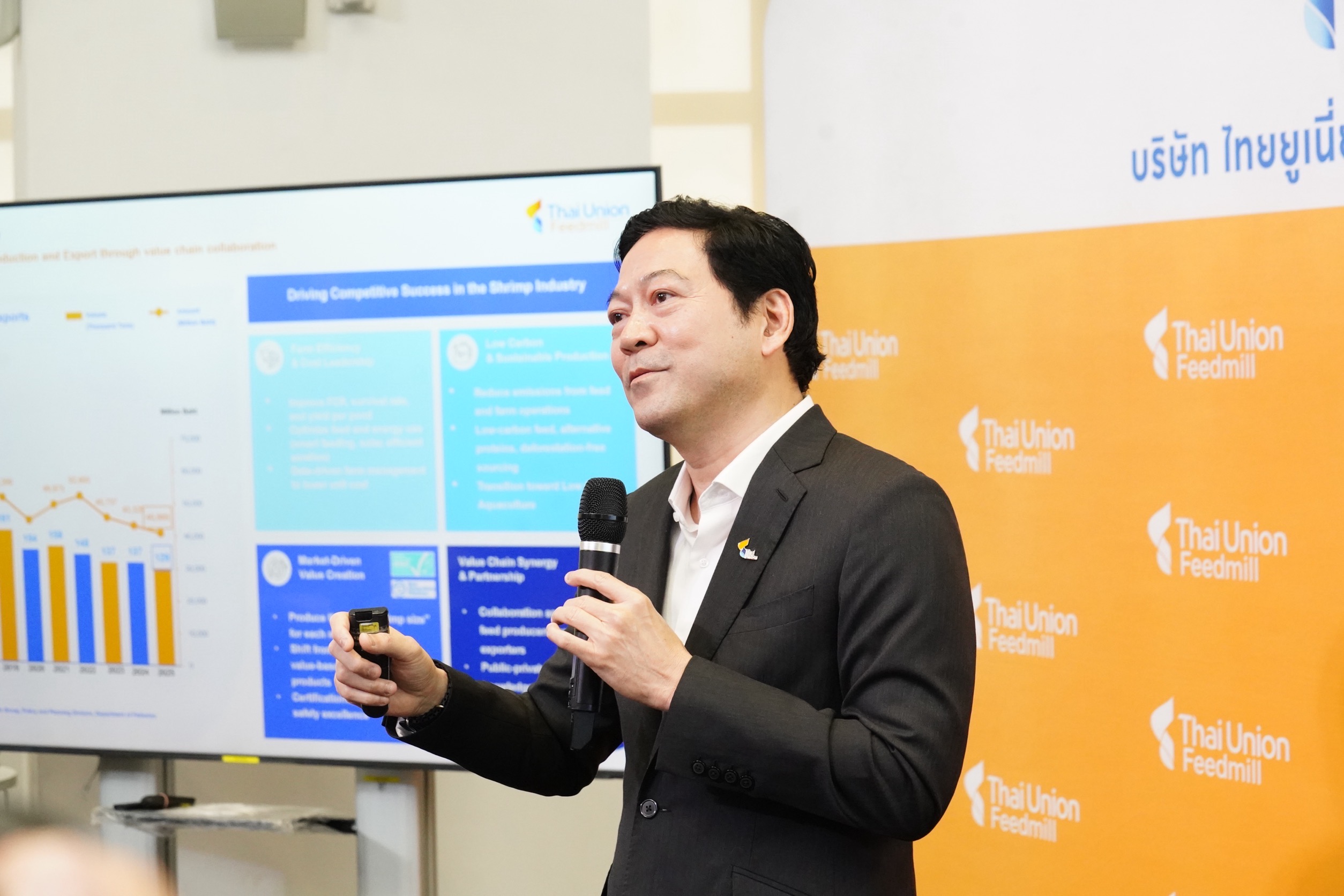
Mr. Peerasak Boonmeechote, Chief Executive Officer of Thai Union Feedmill Public Company Limited (TFM), said that Thailand’s shrimp industry is entering a significant turning point in global competition, shifting from price‑driven competition toward an industry focused on efficiency, quality, and sustainability. This transition comes amid rising raw material costs, evolving environmental trade regulations, and increasingly stringent carbon footprint expectations. At the same time, the global premium seafood market, particularly in the United States and Europe, is creating new opportunities for shrimp producers and exporters that meet sustainability standards throughout the value chain from . responsible broodstock sourcing and sustainable aquaculture systems to production processes, traceability, and the delivery of high‑quality products to consumers.
These trends highlight the urgent need for Thailand’s shrimp industry to move beyond price competition toward value creation through improved farming efficiency, lower production costs, and production systems aligned with the evolving demands of global market. The industry continues to face pressure from low‑cost producing countries, resulting in Thailand’s shrimp export volume declining from more than 211,000 tons in 2016 to approximately 129,000 tons in 2025, while export value decreased from THB 69,514 million to around THB 40,889 million.
“TFM’s long‑term plan is to grow alongside farmers through research and development, high-quality raw material selection to support product innovation, and comprehensive farmer support in technical knowledge, market opportunities, and ‘Lower Carbon Aquaculture’ practices. These efforts aim to enhance farming efficiency, reduce costs, and elevate Thailand’s aquaculture industry toward the global premium market,” Mr. Peerasak said.
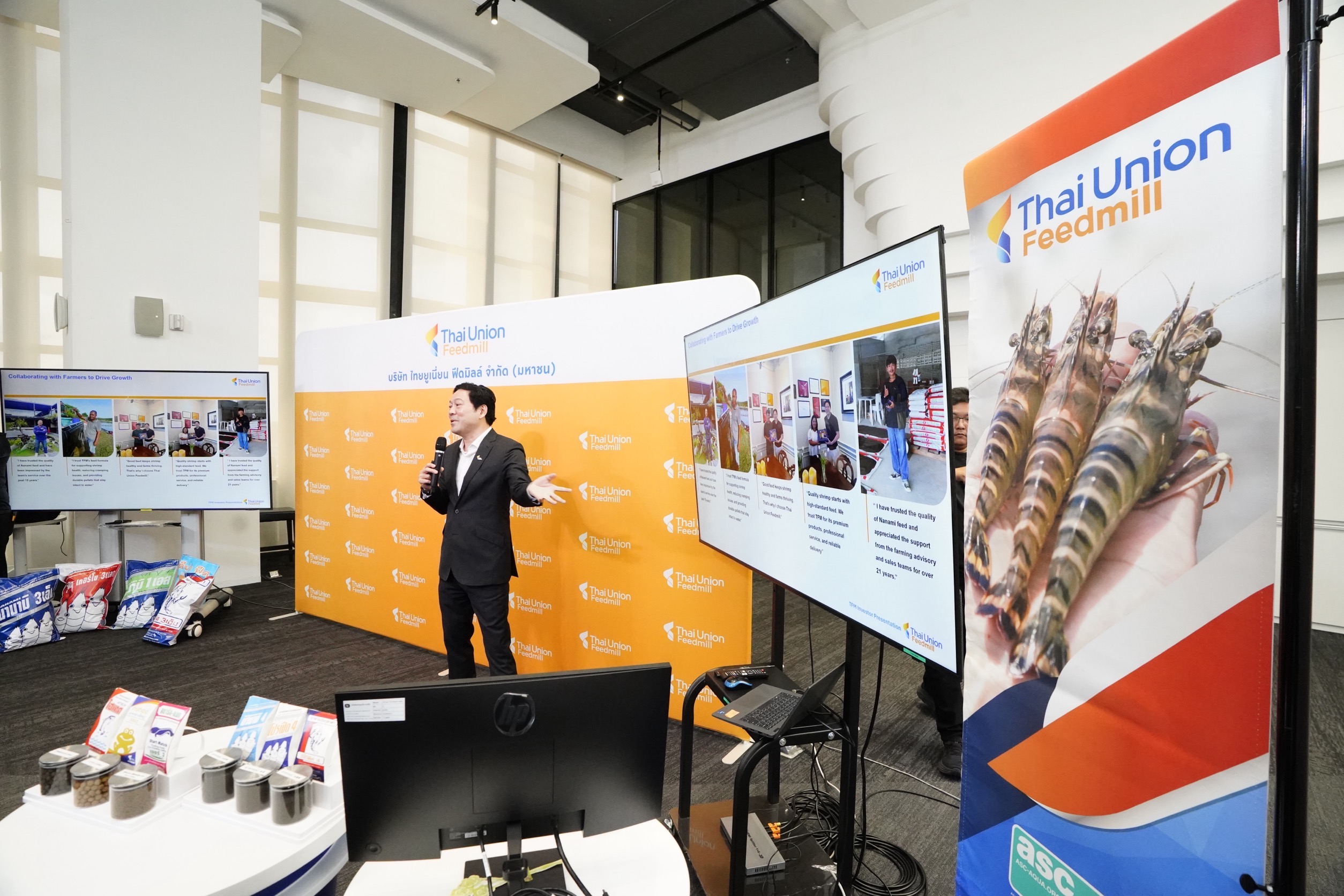
Thailand’s shrimp‑feed market currently stands at approximately 400,000 tons per year, with TFM holding around 25% market share, which continues to increase. This reflects the Company’s strong product quality, feed‑formula development capabilities, and close collaboration with farmers. Meanwhile, TFM’s fish‑feed business, including feed for seabass, Nile Tilapia, and frogs, remains another core segment, accounting for around 30% of total revenue. The Company continues to maintain leadership in Thailand’s seabass and frog feed markets.
For the global market outlook, the shrimp industry continues to demonstrate strong growth potential, driven by steadily rising consumption. In 2025, the world’s leading shrimp‑producing and exporting countries, namely, Ecuador, India, Vietnam, Indonesia, and Thailand, recorded a combined export volume of approximately 3 million tons per year, with a total export value exceeding USD 20 billion, based on data from international trade and fisheries agencies in each country. This reflects significant opportunities for the aquafeed market and is one of the key reasons TFM is accelerating its international expansion under the strategy “Win in Thailand – Expand in Indonesia – Next Wave of Growth.” The Company aims to maintain its strong position in Thailand, expand its market presence in Indonesia, and capture future growth opportunities in emerging global markets.
TFM has announced an investment plan to expand into Ecuador, with a total investment budget of up to USD 55 million for the construction of a new factory and machinery installation, which is expected to be completed by 2028. The project is anticipated to increase the Company’s production capacity by approximately 80%, supporting long‑term growth in the global aquafeed market. The Company is currently in the process of establishing a joint‑venture subsidiary with its local partner in Ecuador.
For the first quarter of 2026, TFM reported sales revenue of THB 1,325 million, an increase of 7.6% % year-on-year, and a net profit of THB 148 million, up 11.9%, despite pressure from a more than 31% increase in fishmeal costs. The Company maintained a gross profit margin of 20.0% and a net profit margin of 11.1%, reflecting effective cost management and a shift in its product mix toward higher‑value products.
The shrimp‑feed business remained the Company’s key growth driver, accounting for 66.4% of total revenue and delivering a gross margin of 21.9%. By region, Thailand continued to be the main revenue contributor, representing 90.4% of total revenue and growing 13.9% year‑on‑year, driven by the recovery of the shrimp‑feed market and expanding domestic market share. Revenue from Indonesia accounted for approximately 7.8%, while the remainder came from Sri Lanka and other markets.
For 2026, the Company targets revenue growth of 8–10% from last year’s total revenue of THB 6,035 million, while maintaining a gross margin of 18–20%. TFM has allocated an investment budget of approximately THB 680 million for the year to support the construction of its new factory in Ecuador and to enhance operational efficiency across its core businesses.
“TFM believes that sustainable business growth must progress alongside farmers, partners, and the industry. Our goal is to strengthen and Thailand’s aquaculture industry and advance sustainable growth on the global stage, while driving revenue toward THB 10 billion by 2030, as planned,” Mr. Peerasak concluded.
TFM also benefits from strong sustainability capabilities under Thai Union Group’s SeaChange® 2030 strategy, creating synergies across the value chain, from raw‑material sourcing and production to distribution. This enhances raw material security and improves cost‑management efficiency amid ongoing volatility in global fishmeal prices. The Company targets a 50% reduction in greenhouse gas emissions by 2030 and aims to achieve Net Zero by 2050 through improved production efficiency, energy loss reduction, and heat recovery systems that help lower fossil fuel consumption in boilers and electricity systems. TFM is also increasing the use of renewable energy, particularly solar power, across its production processes.