2026.11.27
Raising the bar for responsible tuna
Article
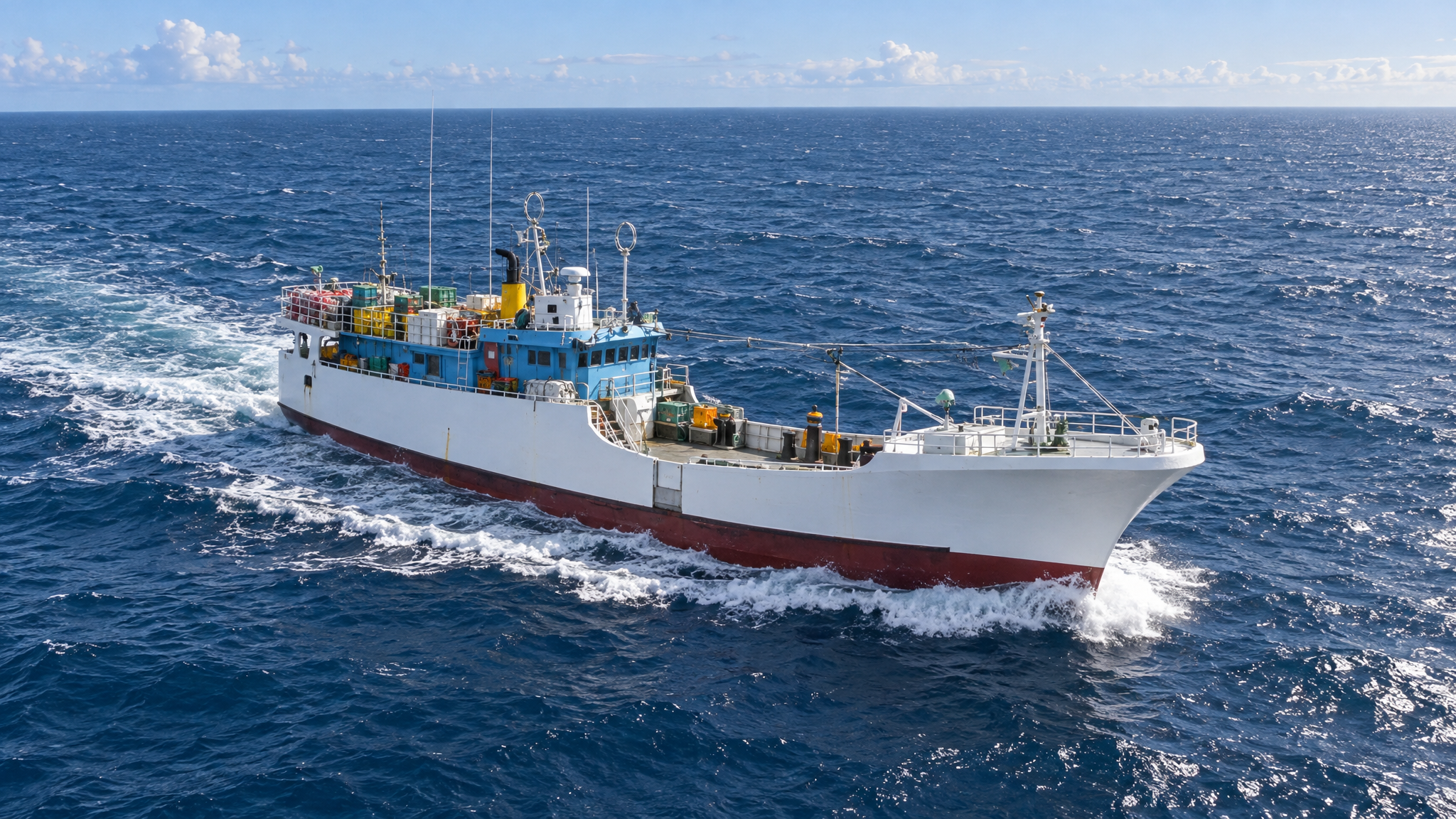
How new ISSF measures will bring more audits, more transparency and more trust to global tuna supply chains
The International Seafood Sustainability Foundation (ISSF) has announced new measures designed to strengthen worker protections and transparency across global tuna supply chains. Thai Union has been part of ISSF since its founding, helping support collective industry progress.
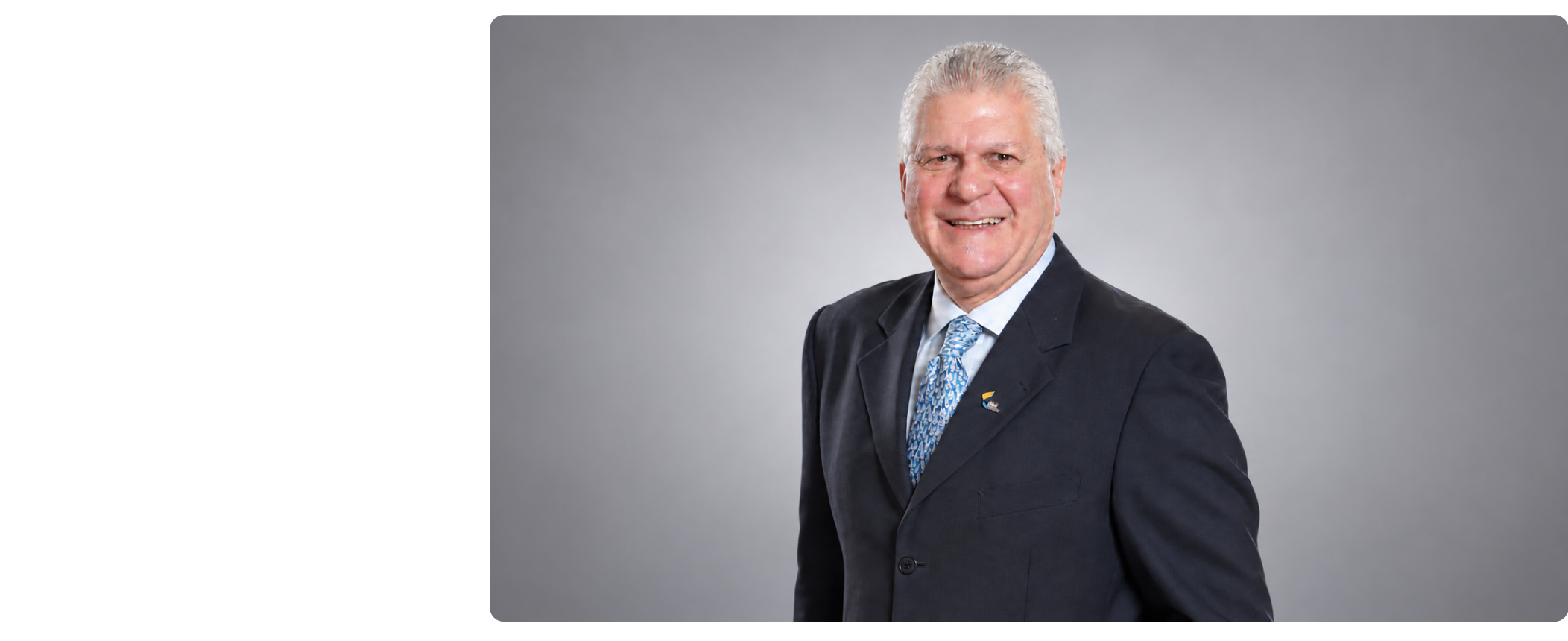
We sat down with Tony Lazazzara, Group Director of Global Fish Procurement and Chair of the ISSF Board, to explain what the news means.
Tony, what has ISSF announced?
There are two important changes. First, more tuna processing facilities in the supply chain will need to undergo independent labor audits. These audits help check that appropriate labor standards are being followed.
Second, more longline fishing vessels will need to join ISSF’s public ProActive Vessel Register (PVR). This makes information about vessels and their sustainability practices easier to see and verify.
Why does this matter?
Tuna has a long and complex global supply chain. The more visibility we have into what happens throughout that supply chain, the better equipped the industry is to protect people, promote responsible fishing and identify areas that need improvement.
These new measures extend independent checks and greater transparency to more parts of the supply chain. That helps move the whole industry forward, not just individual companies.
How is Thai Union involved?
We have been part of ISSF since its beginning. The important thing about organizations like ISSF is that companies, scientists and other stakeholders come together to tackle challenges that no single company can solve on its own.
For Thai Union, our scale gives us both an opportunity and a responsibility to help drive progress. It means going beyond improving our own operations and working with others to help raise expectations across the wider tuna industry.
What does better transparency actually achieve?
Quite simply, it provides more evidence. When vessels and facilities are independently assessed, customers and other stakeholders have greater visibility into whether responsible practices are actually being followed.
That is important because sustainability cannot just be about making commitments. We need ways to measure, verify and show progress.
What does this mean for our customers?
Our customers are being asked more questions about where seafood comes from, how workers are treated and how they know their sourcing standards are being followed.
By prioritizing supply from ISSF members, customers could access more credible information to help answer those questions. Ultimately, better visibility and independent verification can mean greater confidence and less risk for everyone in the supply chain.
What is the bigger takeaway?
Leadership isn’t just about what we accomplish inside our own company. One of the biggest impacts we can have is helping bring the industry together and raise expectations for everyone.
When stronger worker protections, better transparency and independent verification become more widely adopted, the entire seafood industry becomes stronger.